

Industry
The Rise of Indie Game Collectives
How small studios are banding together to survive and thrive in a competitive industry. We profile three collectives from New Zealand and Australia that share resources, marketing, and creative feedback.
Retrospective
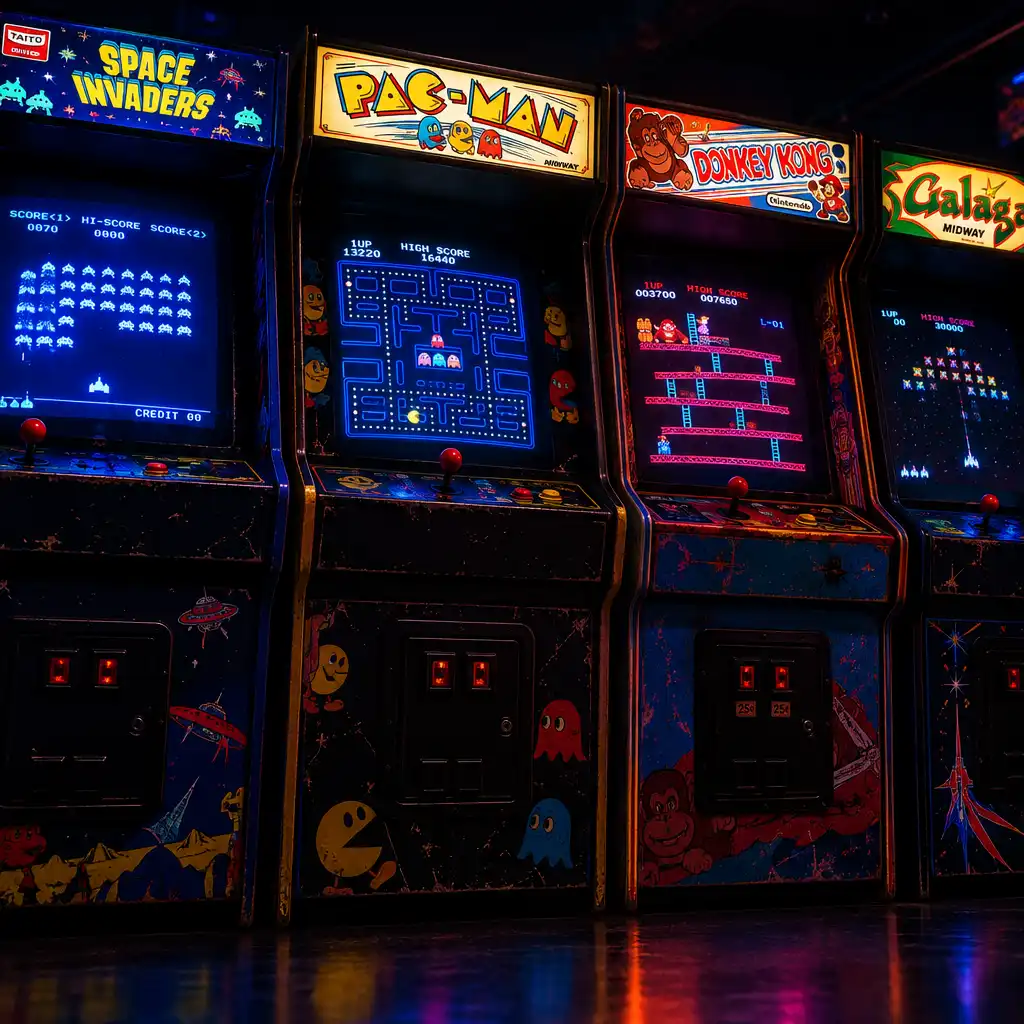
A deep dive into the design, culture, and legacy of classic arcade cabinets that defined a generation of gaming. From the first wooden Pong boxes to the sculpted sit-down racers of the 1990s, this feature traces how cabinet design shaped the way we played, gathered, and competed. It includes interviews with former arcade operators and collectors, plus a gallery of restored machines that still draw crowds today.
Industry
How small studios are banding together to survive and thrive in a competitive industry. We profile three collectives from New Zealand and Australia that share resources, marketing, and creative feedback.

Community
An exploration of the speedrunning community and the techniques used to complete games in record time. Interviews with top runners reveal the patience and precision behind every frame-perfect trick.
Music
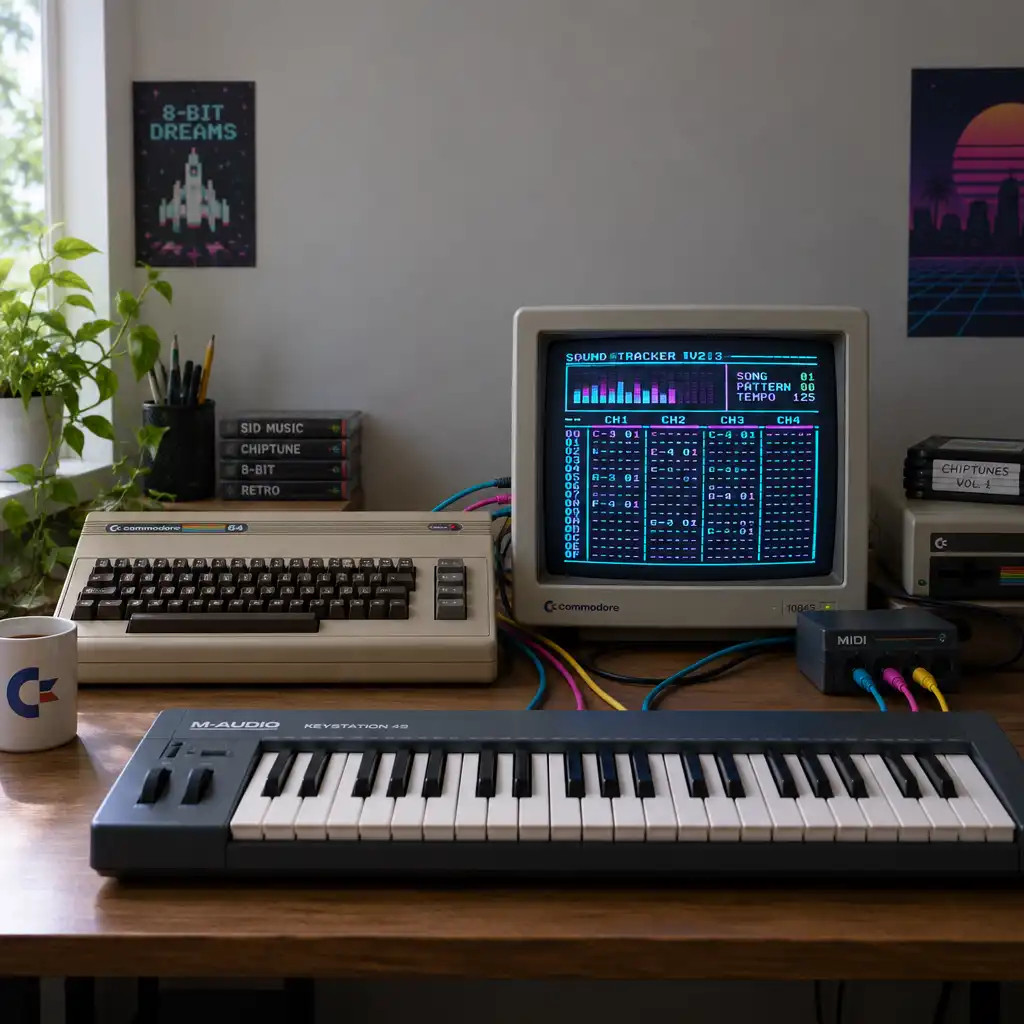
How the limitations of early sound chips created a musical genre that endures today. Contemporary chiptune artists explain why they still reach for the same hardware that powered the NES and Game Boy.
Preservation
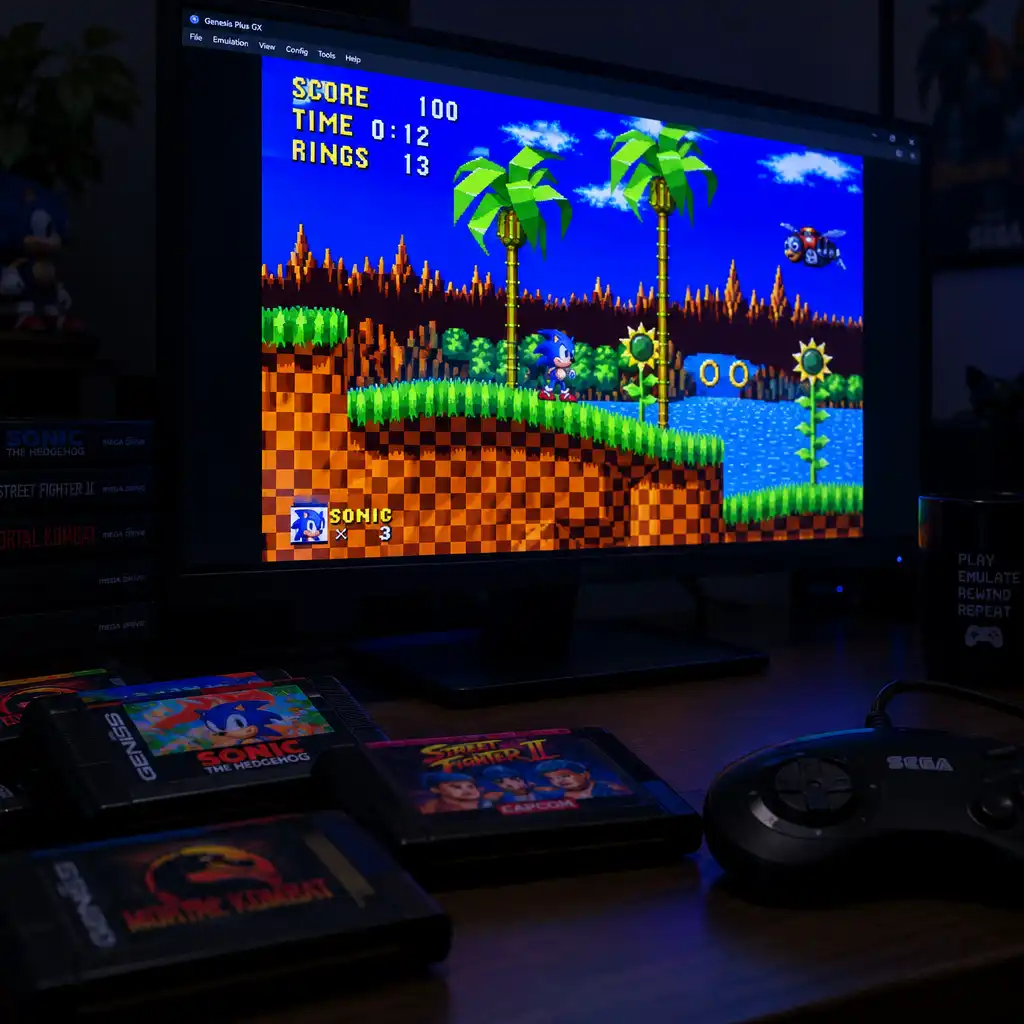
The ethical and technical challenges of preserving classic games through emulation. We examine the legal gray areas and the preservation projects working to keep old software playable for future generations.
Featured Interview
"Creativity is not about waiting for inspiration. It is about building a system where small failures become the next puzzle piece."
A candid conversation with the creator of the award-winning puzzle game Chromatic about creativity, failure, and the future of interactive storytelling. Doe shares the design philosophy behind her most difficult levels and reveals exclusive concept art from the game's early prototypes.
Read InterviewThematic Collection
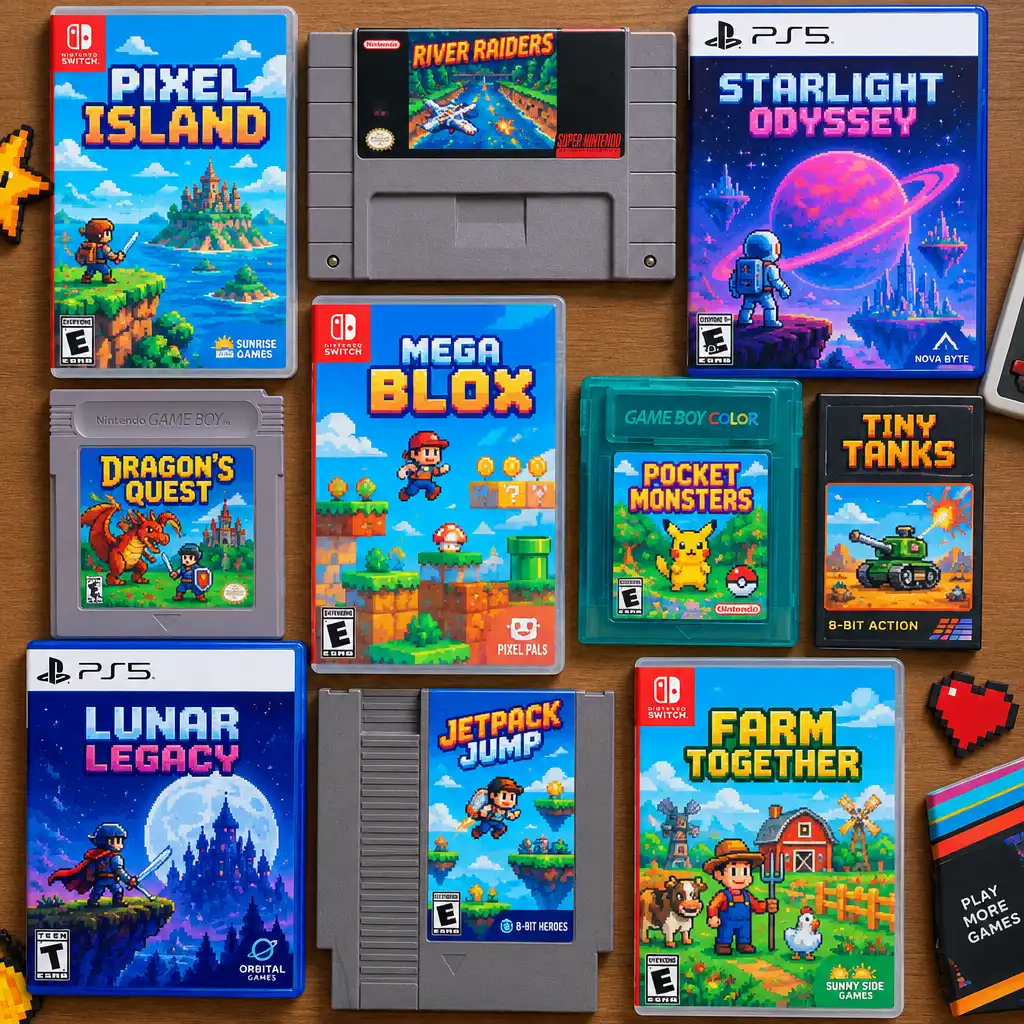
A curated list of modern games that successfully capture the spirit of classic titles. Each entry includes a brief analysis of its retro influences, from pixel art to chiptune soundtracks.

An essay on the enduring appeal of pixel art in an era of photorealistic graphics. Recent indie hits show how constraint can produce more expressive and readable visual design than raw fidelity.
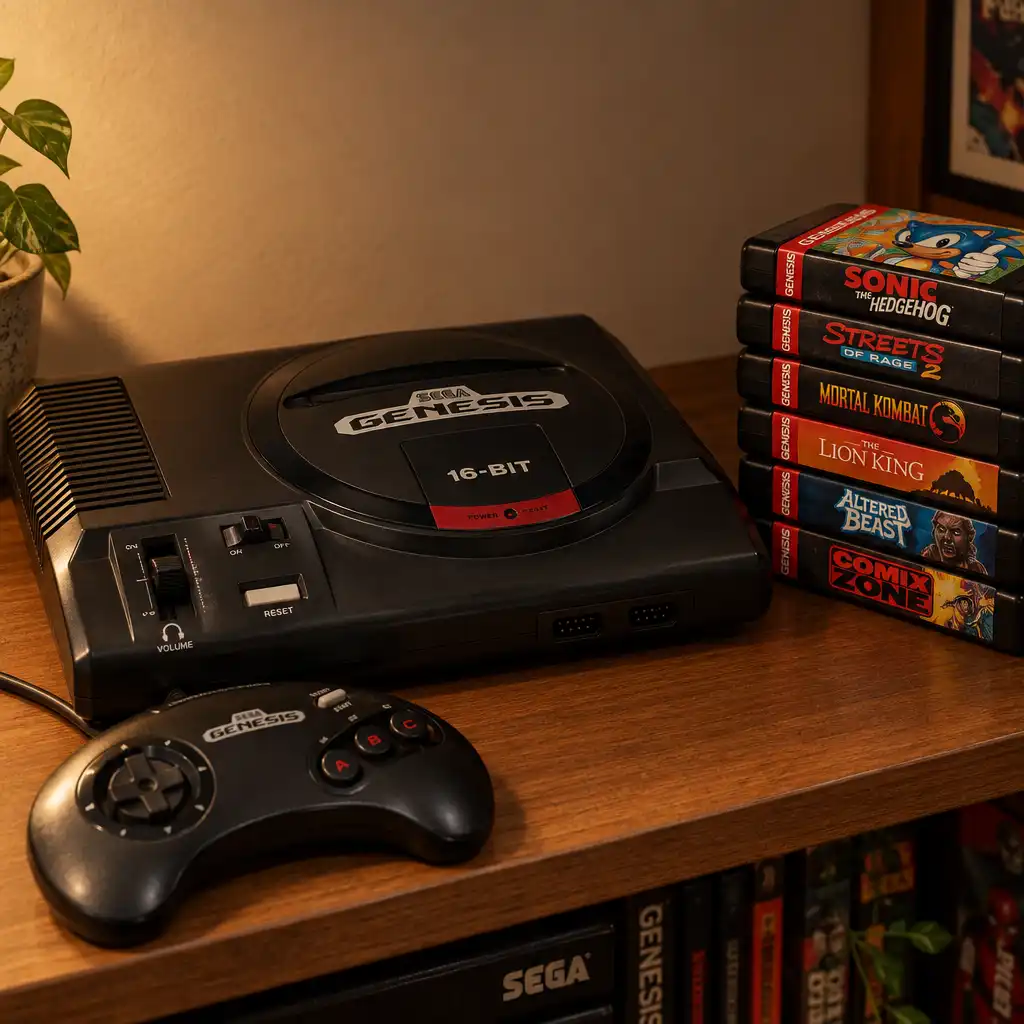
A retrospective on the console that challenged Nintendo and shaped a generation of gamers. Former Sega developers recall the hardware bets, marketing battles, and creative risks that defined the 16-bit era.
Timeless features that remain essential reading.
History
A comprehensive look at how role-playing games transitioned from pen-and-paper to pixels. The influence of Dungeons & Dragons on early computer RPGs is still visible in today's open-world design.
Design
A nostalgic appreciation of the illustrated manuals that once accompanied every game. Scans of classic manuals reveal how print design taught players the rules before the first loading screen.
Culture
A social history of the arcade scene in the 1980s and its impact on youth culture. Former arcade regulars recall the sounds, rivalries, and friendships that made the local cabinet a community hub.

Developer Diary
The first installment of an ongoing series following the development of a retro-futuristic racing game from concept to release. This entry includes early concept art, design documents, and developer commentary on the challenges of indie production.
Read Part 1Essays and opinion from ArcadeBrief readers and contributors.
Opinion
A personal essay on the enduring charm of Nintendo's first handheld console. The author reflects on childhood memories and argues that the Game Boy's simplicity remains a valuable counterweight to today's always-online experiences.
Opinion
An argument that the industry's focus on lengthy open-world games overlooks the appeal of concise experiences. Successful short games show that a tight, complete arc can be more satisfying than a hundred hours of padding.
Some feature articles may contain spoilers or discuss mature themes. Reader discretion is advised.